
Some online courses are designed to be completely self-paced, meaning students work through the material on their own without interacting with an instructor. For example, the course might present content in a logical sequence with self-scored assessments like online quizzes. In these types of courses, students typically don’t receive personalized feedback on their work, don’t interact with classmates, and have no one to ask for help if they struggle to understand a concept.
The U.S. Department of Education classifies these self-paced online courses as correspondence courses, as they do not include Regular and Substantial Interaction. Courses in this category are not eligible for federal financial aid, meaning students cannot receive financial assistance for taking them.
What is “Regular and Substantial Interaction”?
According to the U.S. Department of Education (34 CFR 600.2, 2001), online college courses must include meaningful, ongoing interaction between students and instructors to be considered distance education—rather than just self-paced learning.
What does it mean?
- Regular = Happens on a schedule (not just once or randomly).
- Substantive = The interaction must be educational and meaningful, not just checking in.
If an instructor sets up an online course and then doesn’t return to actively engage with students—such as responding to questions, giving feedback, or leading discussions—the course likely does not meet federal standards for distance education.
Here are some best practices instructors can follow to meet this requirement:
Provide Weekly Instruction or Guidance:
- Post weekly announcements in your D2L course summarizing key points or giving direction.
- Perhaps record a quick audio or video using D2L Media Library to discuss what’s coming up next week or to clarify a concept.
Respond Promptly to Student Questions:
- Answer messages or email discussion posts within 24-48 hours.
- Be available through email, course messaging or virtual office hours.
Offer Personalized Feedback:
- Give meaningful, individual feedback on assignments, not just grades.
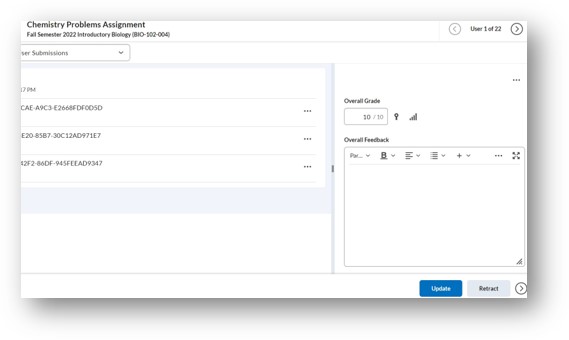
- Use rubrics and comments to explain how students can improve.
Facilitate Discussions:
- Lead or participate in weekly online discussions in D2L.
- Ask open-ended questions and reply to student post to guide learning.
Initiate Contact (Don’t Wait for Students):
- Reach out if a student is falling behind or seems disengaged.
- Schedule check-ins or send reminders about upcoming work.
Following these best practices helps ensure that online courses are engaging, supportive, and meet federal definitions of distance education, protecting both the student’s learning experience and the South Suburban College’s eligibility for financial aid.
Would you like to learn more about Regular and Substantive Interaction? Check out the Teaching and Learning Center’s Training Calendar and sign up for this session today.